
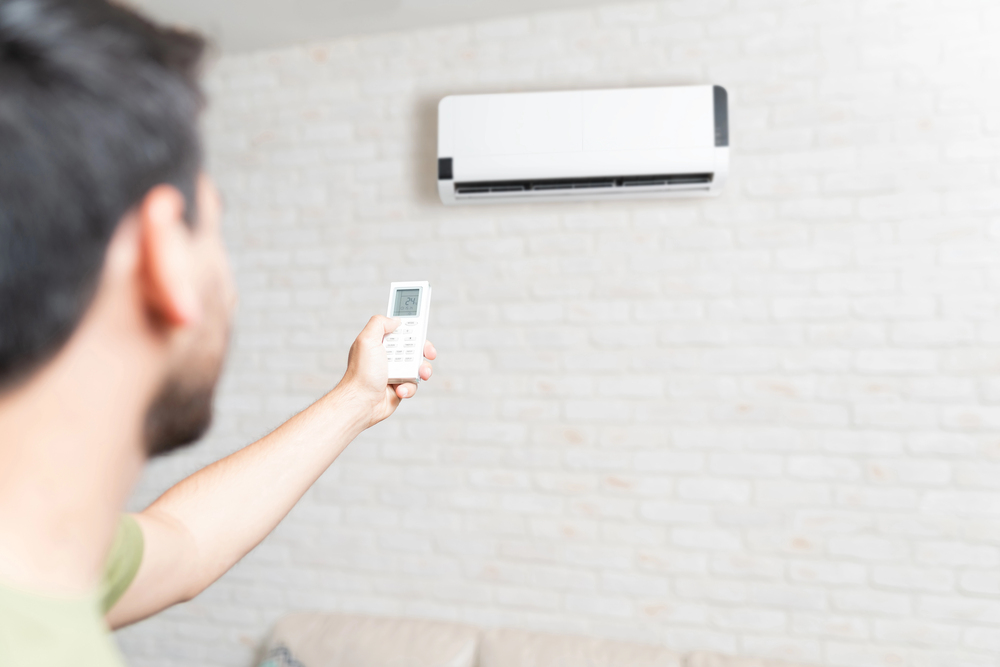
HVAC expert James Smithell discusses the challenges of installing ductless mini split heat pumps in Boston-area brownstones and multifamily homes. He explains common obstacles such as building height, limited outdoor space for condensers, and undersized electrical panels in older buildings. The conversation also covers strategies for hiding line sets to maintain aesthetics, zoning systems for multi-unit properties, and why each unit should typically have its own system and electric meter. Jimmy also highlights the importance of planning ahead, especially during renovations, and understanding local permitting timelines in cities like Cambridge, Somerville, and Arlington to avoid delays and ensure a smoother installation process.
John Maher: Hi, I am John Maher and I’m here today with James Smithell of New England Heat Pump Company, a locally owned and family operated company with over 20 years of experience in the HVAC industry, specializing in Mitsubishi heat pumps and ductless heating and cooling systems. Today we’re talking about ductless mini split installation for Boston area homes and multifamily homes. Welcome, Jimmy.
James Smithell: Hey, John. Thanks for having me today.
Challenges with Ductless Systems
John: Sure. Jimmy, what are some of the biggest challenges that we find in our area? Installing ductless systems and things like brownstones and triple-decker multifamily homes that we see a lot of in the Boston area?
Jimmy: Yeah, I see this every day actually. So, a couple of challenges that I see. First and foremost, the heights. Some of those brownstones could be five, six stories tall. We got to get guys to the location. It’s impossible to get a guy at that height on a ladder. So, the height is really a challenge. Do we have units above that unit? You know what I mean? If we’re going to do inside pipe work is a rooftop that’s pretty straightforward. We just go through the roof and put a condenser.
But when we’re squished in between or pancaked in between other levels, that gets very challenging. So I’d say height is one of the hiccups. The other one’s definitely electrical, electric capability of the panel. We see a lot of these buildings undersized for electrical. Electrical is very important for what we do because we obviously operate from it. Those are the two heavy hitters that I would look at immediately. As soon as I look at anything beyond two levels in any type of multifamily or brownstone unit.
How to Handle Outdoor Unit Placement
John: How do you handle outdoor unit placement when there’s often no space, even if you’re not dealing with five or six stories, maybe you have very little yard and maybe the neighbors are really close, and you want to keep trying to keep it as quiet as possible for the neighbors. What are some of the issues that you deal with there?
Jimmy: Yeah, we see this again every day. Somerville, Cambridge, Arlington areas. There’s a way we just have to find it, whether it’s on the roof, we bring in a crane, we bring in roofers, we bring everything with alleyways. We have to be by code. We kind of have to be careful with that one because of fire escapes and certain codes there. We can walk you through all of that. Decks. There’s definitely options. Just some of these houses are very, very tight, very close together, so we really have to look at it on a one-to-one basis, but that’s typically what we see.
Mounting Outdoor Units on Brackets
John: Can you mount an outdoor unit on a bracket that’s against the wall? One or two stories up or something like that?
Jimmy: We can, yeah, alleyways. We’ve done it even on roofs where there’s a little peak of adjacent building or something like that. But the wall brackets are great
Installing Minisplit Systems in Older Homes
John: In older homes, which of course we see a lot of in the area as well. What are some of the things that surprise you most when you inspect the home and you take a look at what you’re dealing with?
Jimmy: Yeah, again, a heavy hitter there is the electrical, they’re undersized, I dunno, obviously they didn’t do electrical load calculations back in the day, but we see these multifamily homes with 60 amps going to each unit. They’re just way undersized. Not much we could do with that. As it sits, we have to do upgrades there.
That’s really first and foremost because we can’t do much until that’s with and then into when we actually do the job. I’d say the plaster and horse here are the old walls, the old way that they used to build the buildings, thick, heavy beams. We just don’t know until we open it up and see. Especially like somebody like myself, I’ve been in the construction industry my whole life. I mean, my first job was working for a framer down the street, so I’ve seen it all. Some of these buildings even surprise me with what we find in the walls and how they carry the weight or the beam spread that we typically wouldn’t see in normal construction. So, there’s always a surprise with the older buildings.
Considering Aesthetics with Ductless Minisplits
John: What are some smart strategies for line set routing and aesthetics when maybe homeowners come to you and they say, yeah, I just don’t want to have all those, that visible conduit everywhere and have lines all running on the outside of my house and ruining the aesthetics of my home.
Jimmy: Yeah, simple answer, don’t either. I’m one of the people that they’ll have in the house that is probably more picky than them. I’m an aesthetic freak. I do a complete detailed design for every one of my jobs. Homeowners can see exactly what I’m going to do. I get very intense with it. I’ll do inside pipe chases. I’ll use closets to hide pipes. We’ll build soffits. There’s always a way on the taller buildings we have to, right. There’s no way to get a guy 50 feet up on a ladder to run a pipe outside of the building. So it’s all inside work. We use ceilings, we come across ceilings. Yeah, we get pretty involved with hiding line sets.
Installing in Multiunit Buildings
John: How do you approach multi-unit buildings? Is it one system per unit or are there shared ways to have one system working with multiple units and how do you meter that if it’s maybe a situation where you have different apartments or something like that? What are some of the issues when you’re dealing with multi-unit buildings?
Jimmy: Yeah, that’s the issue right there. You just talked about. So the meter, meter is everything. We really want to be on its own electric meter, its own panel. Nobody wants to pay for somebody else to heat and cool their home and totally get it, nor would I. So, we definitely want to be one system per residence, and to do that, we really need one meter or electric panel per residence, and that’s very typical.
We typically see that sometimes there’s one gas meter maybe running one huge boiler for the building. That’s pretty typical, but it’s very rare that we would see one electric account for the whole building. With that said, we do see those electric meters and panels being undersized, but they at least have them to the house. So, that would definitely be the recommendation to do one per home or one per unit is what I would absolutely recommend.
Working with Building Owners for Minisplit Installations
John: Do you find yourself working with building owners who maybe own all of the units in a building and maybe they want to do a conversion where they’re replacing all of the heating and air conditioning and for the whole entire building at once and how does that work?
Jimmy: Yeah, we see this all the time, and it’s different with every tenant and landlord, right? Those goals and expectations, those are all talked about. Some landlords want us to just do like we just talked about one system for the whole building, and my concern with that would be, well, what if the house sells right? What if it’s not the situation that you’re in now and it sells? We see a lot of my mom lives downstairs and I live upstairs. We share the bill. It doesn’t matter. Great. But what happens in the future if that house sells? Buyers are going to definitely want that separated. So, we see it all, everything in between, but it’s recommended house per house. It’s really different every house that we look at. But again, definitely separate systems is what I would recommend per separate meters is the way to go.
Where to Start when Thinking About A Heat Pump in the Future
John: If someone’s living now in maybe Cambridge or Somerville, one of these places that has a lot of these types of multifamily dwellings, what should they do now if they’re thinking about getting a heat pump in the future? Are there things that they should be working on now to make that heat pump installation easier or cheaper?
Jimmy: Yeah. Again, I’m in that area every single day. Cambridge, Arlington, Somerville, some of these towns and cities can be very strict with permitting. So, I would tell homeowners to just keep that in mind. They call us in the middle of the summer, everybody’s hot and wants AC tomorrow and love to roll my guys, but it takes four to six weeks to pull a permit to do things proper. So, a lot of homeowners aren’t really aware of that. It’s really, really different city to city, how that permitting process works.
But those three towns of cities are heavy hitters for long permit applications. Again, we have the office staff and we’ll file and we’ll pull all those permits, but once we do that, the ball’s in their court and we just have to sit and wait. But I would say definitely think about that pulling permits in a timely manner opposed to when you want to get the work done. If a home’s under construction think about putting pipe chases or have somebody, a professional HVAC technician like myself come out, talk about, Hey, maybe we can bury a pipe here, or if you want to hide these pipes, we got to do X, Y, Z now before that wall gets buttoned up. Things like that to think about it, I would recommend.
John: Right. So while you have your walls opened up, if you’re doing some sort of a kitchen renovation say or something like that, that’s the time there to install some conduit lines or something like that so that later if you do want to install a ductless system, you’ve got some easy ways to run those lines.
Jimmy: A hundred percent. Yeah. We see it all the time where it’s like, oh, we just did a remodel, and I’m like, ah, we could have put all these pipes inside your walls and been nice and clean and not see anything, but we work with what we got at that time. But the other thing is panels, right? I can’t stress it enough, especially in the multifamily and the bigger buildings. Look at the panel before you even think about anything else, because that really has to get dealt with first before anything else can happen.
In a end, when we go to pull a permit, first thing the electrical inspector is going to want to see is a load calculation on that panel and it’s going to have to be approved. So again, a lot of homeowners in Cambridge, Somerville, Arlington area don’t realize that process. What that takes now to have the electric company get involved, we got to disconnect it from the street. We got to run new wires in, new pipes up. It gets time consuming, is all I’m trying to say. So, I would say definitely have somebody knowledgeable put eyes on that panel. I’d be more than happy. I could look at a picture and tell you what you need to do based on your electric consumption. But that’s highly recommended.
John: Alright, well that’s great advice, Jimmy. Thanks again for speaking with me today.
Jimmy: Great, thank you John. Take care.
John: And for more information, you can visit the New England Heat Pump Company website at neheatpumpco.com.
